
One of the worst tenets of India’s K-12 education system is how it forces and judges people based entirely on their ability to memorise. I remember being badgered from morning till evening by my parents: Marks achhe laane hain. I could pull that off until the sixth or seventh standard, but then I started struggling. I completely lost my academic confidence through high school and graduation. It wasn’t until I started preparing for my MBA entrance exams that I got my mojo back. I finally realised I actually had an academic bent of mind—my marks just never reflected it.
Funnily enough, my teachers always knew. They would tell me that while they understood from our conversations that my concepts were clear, my inability to replicate textbook definitions word-for-word on the question paper was my undoing. And this is exactly where the Indian education system fails us.
The Entrance Exam Zombies
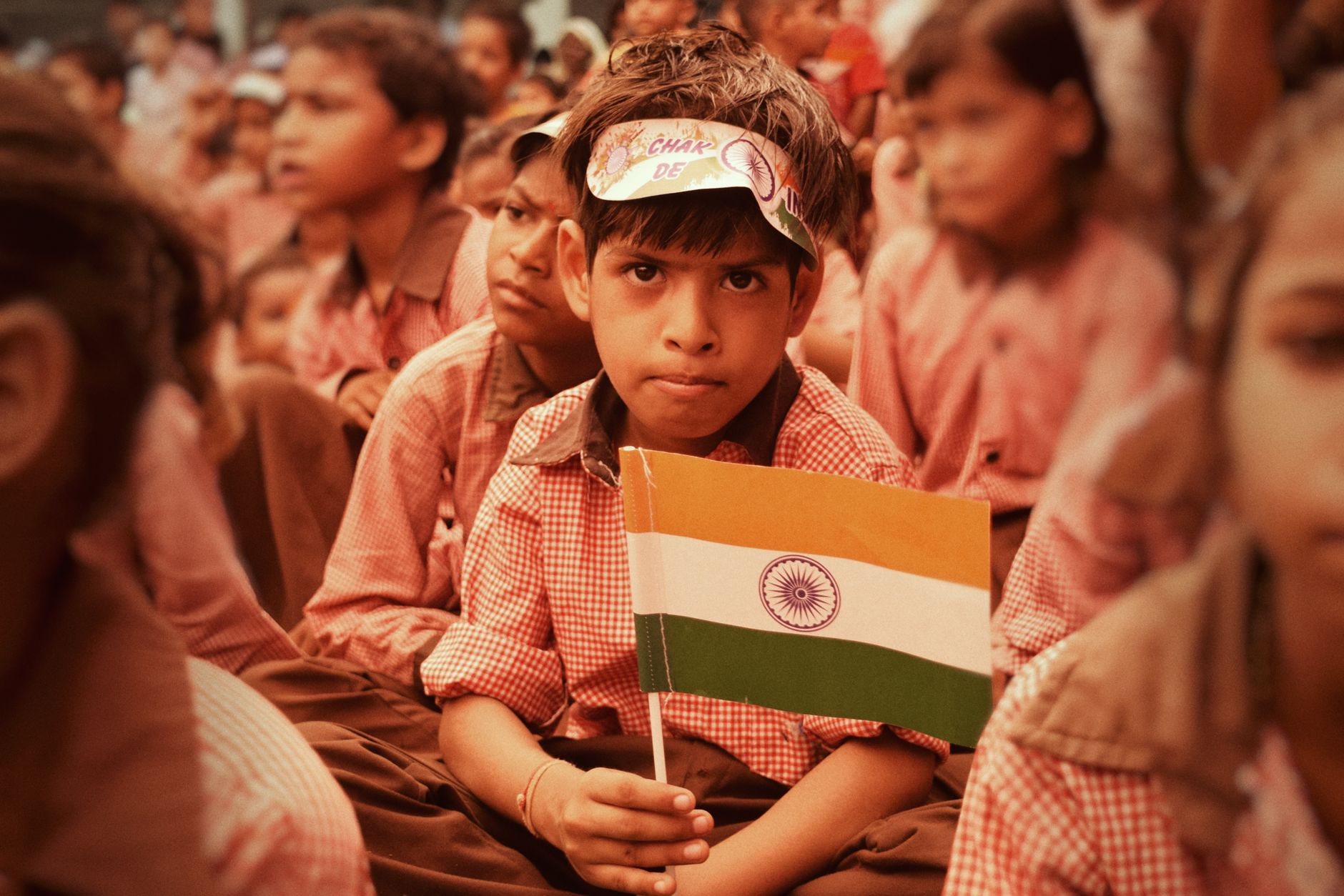
Take a look around, and you’ll see millions of young people in their early, mid, and sometimes late twenties doing absolutely nothing in life but sitting at home and preparing for entrance exams. Let’s get one thing straight: if you are not actively enrolled in an academic program, you are not a “student.” You are just stuck.
These folks take years to realise they cannot succeed in a particular field because, ever since they were kids, their ego was stroked about how “smart” they were. Why? Because they were great at rattebazi (rote memorisation). The harsh reality is that the difficulty level in Indian education resembles a hockey stick curve. You can coast through the 10th standard by memorising chapters, but the moment you hit the reality of tough entrance exams or a rigorous university syllabus, rote learning completely collapses. It is impossible to scale rattebazi in an unstructured environment.
Optimising for the Lowest Common Denominator
From underfunded government schools to the elite CBSE and ICSE institutions, the rot is universal. School authorities and governments optimise for volume. In a country of over a billion, they need a system where 95 out of 100 people pass. They simply cannot afford a system that rigorously tests application and fails 40% of the class.
So, what do they do? They cater to the lowest common denominator. They judge your intellect based on how closely your answers mirror the textbook in a stressful, three-hour exam. If you used extra supplements to write more pages, you were automatically deemed a genius. There is zero focus on application-based knowledge or problem-solving. This broken mechanism ends up idolising the wrong kind of people and breeding a generation of ji-huzoori followers who know what to do, but never ask why. We optimise for compliance, not innovation.
The Open Book Reality Check
The first time I ever faced an open-book exam was during my MBA at Jamnalal Bajaj Institute of Management Studies. I found it absurd at first, but it turned out to be the toughest test of my life. I vividly remember one exam that was literally just a strip of paper with two questions for 60 marks.
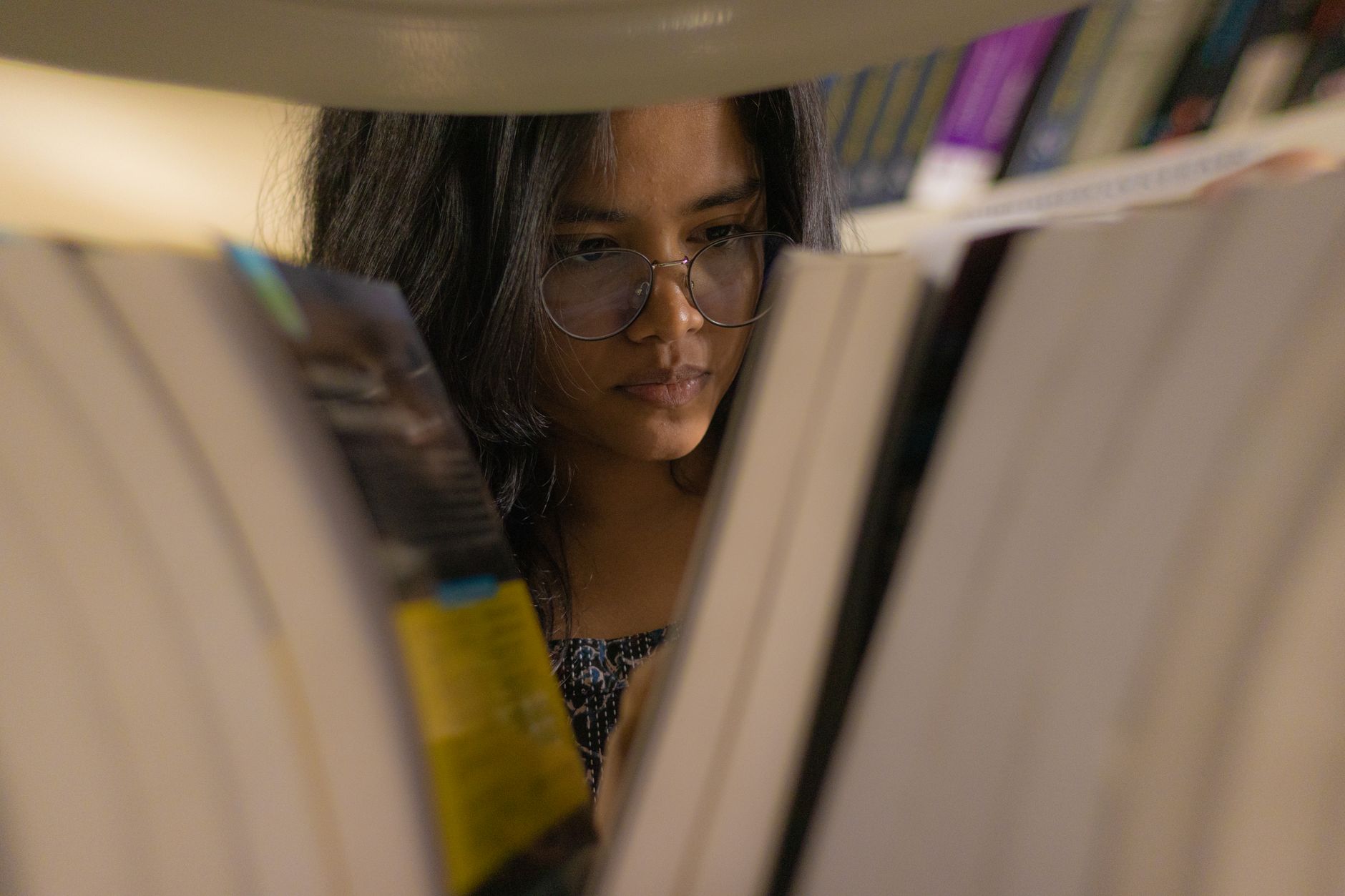
The premise was simple: Based on all the lectures this semester, create an entire marketing plan for this specific brand and segment. Justify every distribution channel and strategy to achieve revenue and branding objectives.
That exam remains fresh in my memory because it was the first time an institution demanded to know if I had genuinely understood the concepts. That is exactly how the real world judges you. When you enter the corporate workspace, the rules of rattebazi no longer apply. The guy who ranked 35th in a class of 50 is often the Head of Sales. Why? Because the corporate sphere demands leadership, negotiation, entrepreneurship, and the ability to deal with volatile human beings. Real life doesn’t care how much you can memorise; it cares if you can solve actual problems.
AI and the Future of Thinking
I am not against having a good memory—I actually have a fairly creepy memory myself. However, we need to wake up to the fact that memory is losing its premium in the workplace, primarily because of AI.
Get off your high horse about AI hallucinating; it is evolving rapidly. Very soon, AI will serve as the memory layer, and humans will be relegated to the decision layer. The real world is rapidly turning into a permanent open-book test where infinite knowledge is available at your fingertips. The challenge is no longer about acquiring knowledge, but what you do with it.
You cannot flex a muscle you have never developed. We need to stop glorifying human tape recorders and start teaching our kids how to think critically and apply their knowledge. Let the machines handle the rattebazi.

