
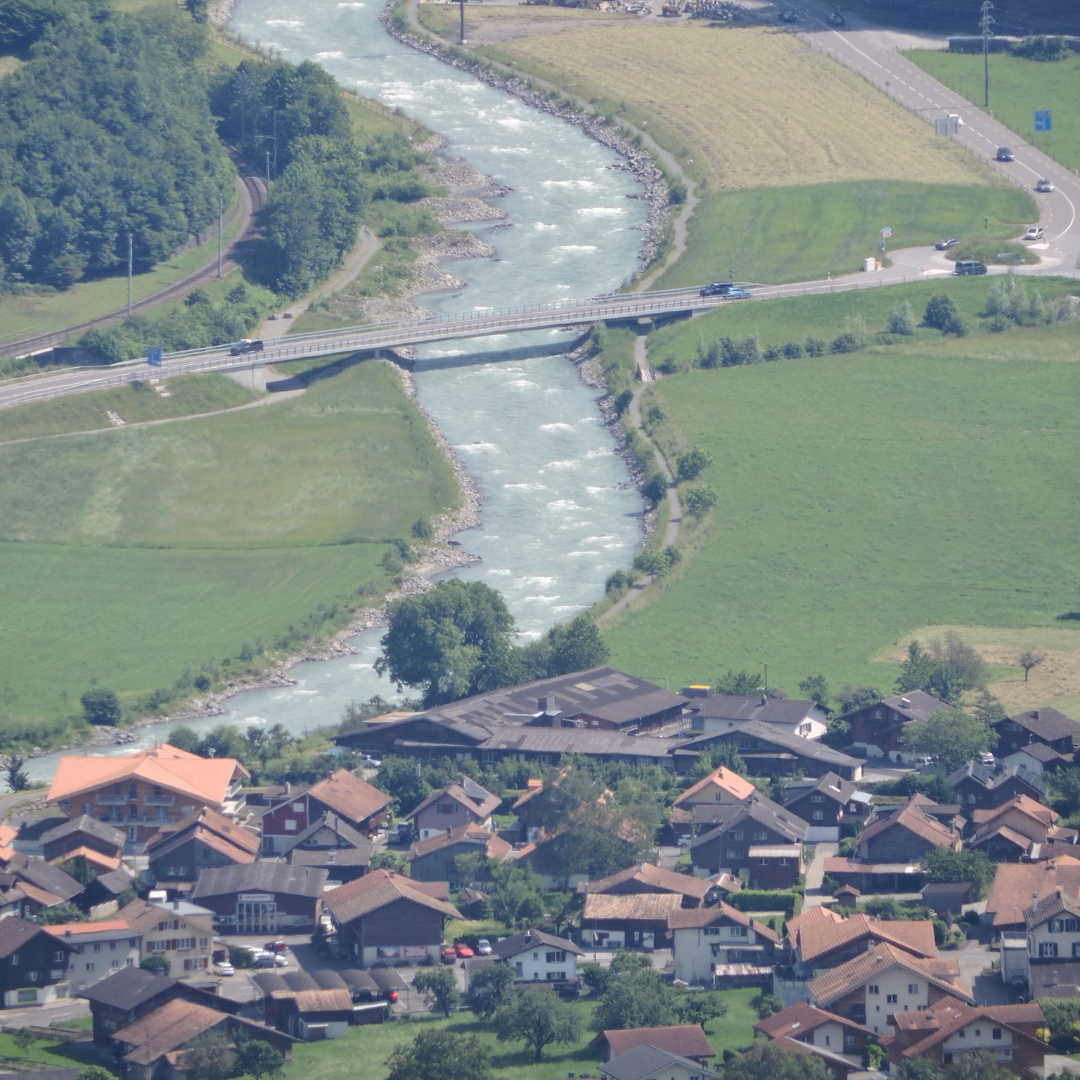
I recently vacationed in Europe for fifteen days and fulfilled a lifelong dream – drinking out of a public water fountain. The azure streams of Switzerland and the strip clubs of Amsterdam didn’t excite me as much as clean roads and functioning railways. I got used to Europe’s stunning beauty in a week, but still can’t get over their urban infrastructure and top-notch civic sense. For someone who has lived in India for the last 31 years, it was a truly humbling and frankly depressing experience in some parts.
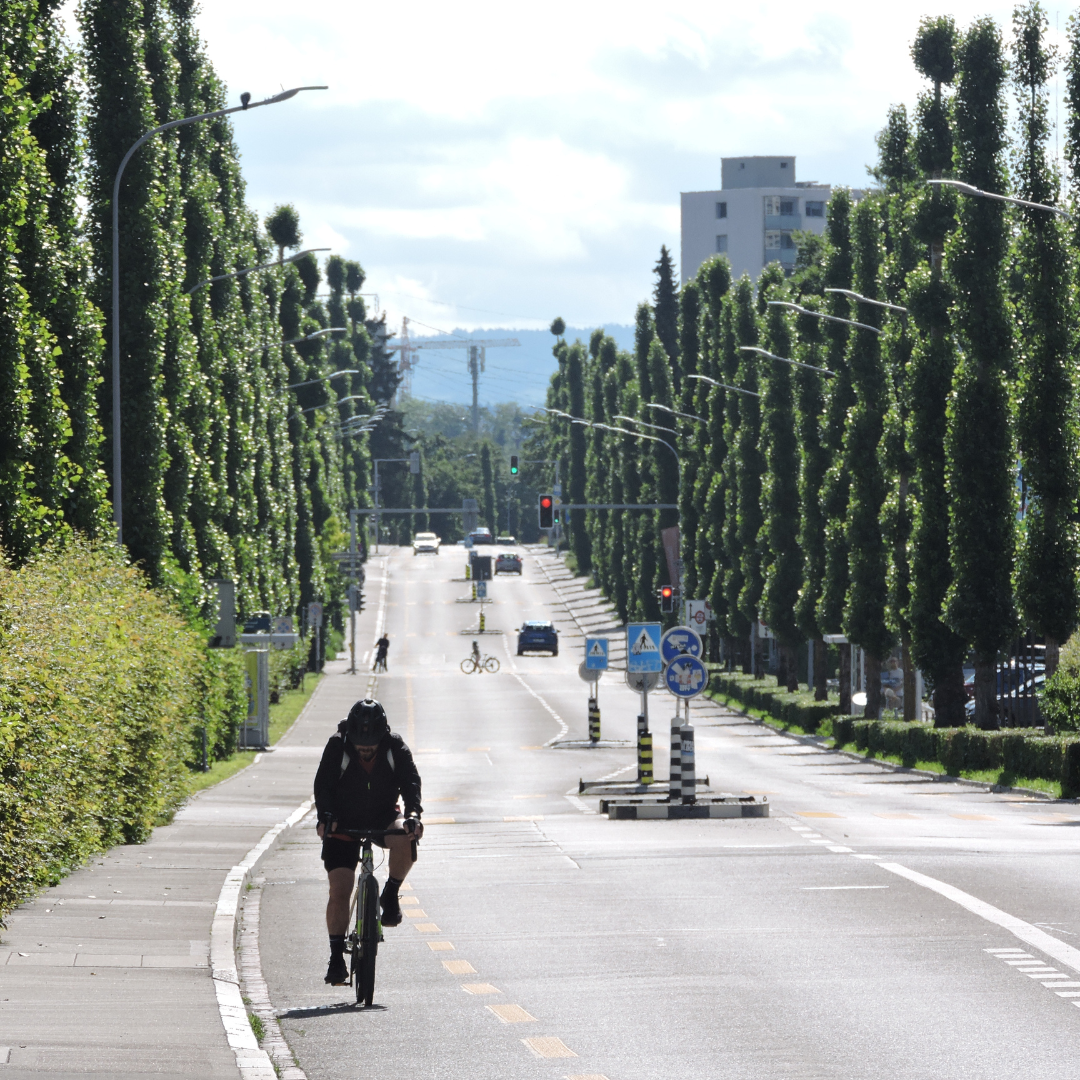
While the images of snowcapped mountains, wavy canals and legendary artwork will forever be etched in my mind, they will be accompanied by my first-ever tram ride in Zurich. Every day I was in Europe, I was reminded of the hopeless situation that was waiting for me back in Mumbai. I won’t use this post to criticize India’s third-class urban living standards. It’s an exercise in futility and I do not wish to waste either your or my time discussing it.
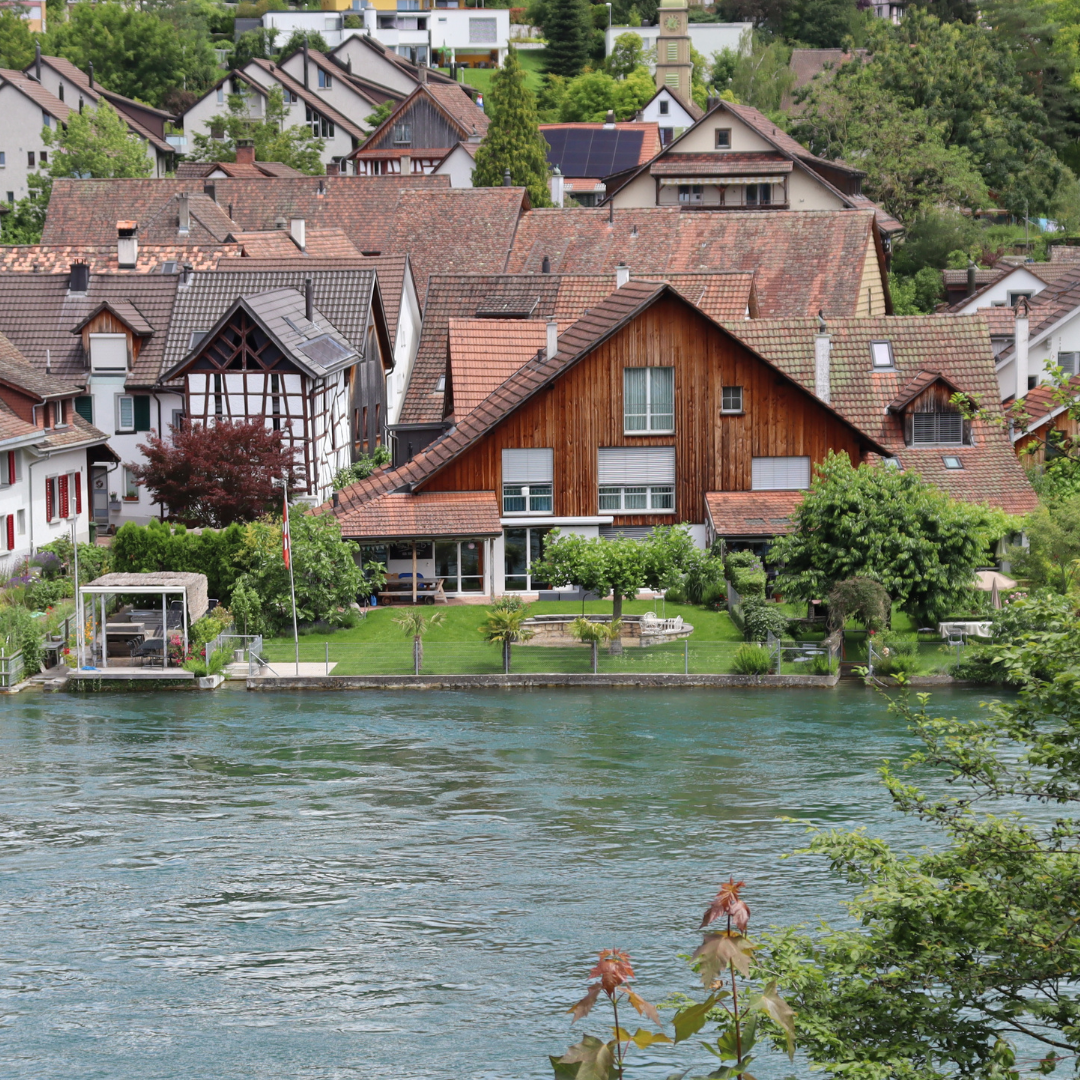
I saw people skateboarding to railway stations. Vaping on platforms. Dancing before the trains arrived and carrying their bicycles in the boogie with them. Balconies with a hundred roses each. Roads so clean, they dazzled with the beauty of the sun. And this was just the first half an hour on day two of our Zurich stay. I saw rivers that were ten feet from someone’s backyard. I crossed two hundred-metre bridges alone with no other human in sight. I took Ubers that were Mercedes and Porsche. I didn’t understand what the drivers were saying but this time, it wasn’t because of the guthka.
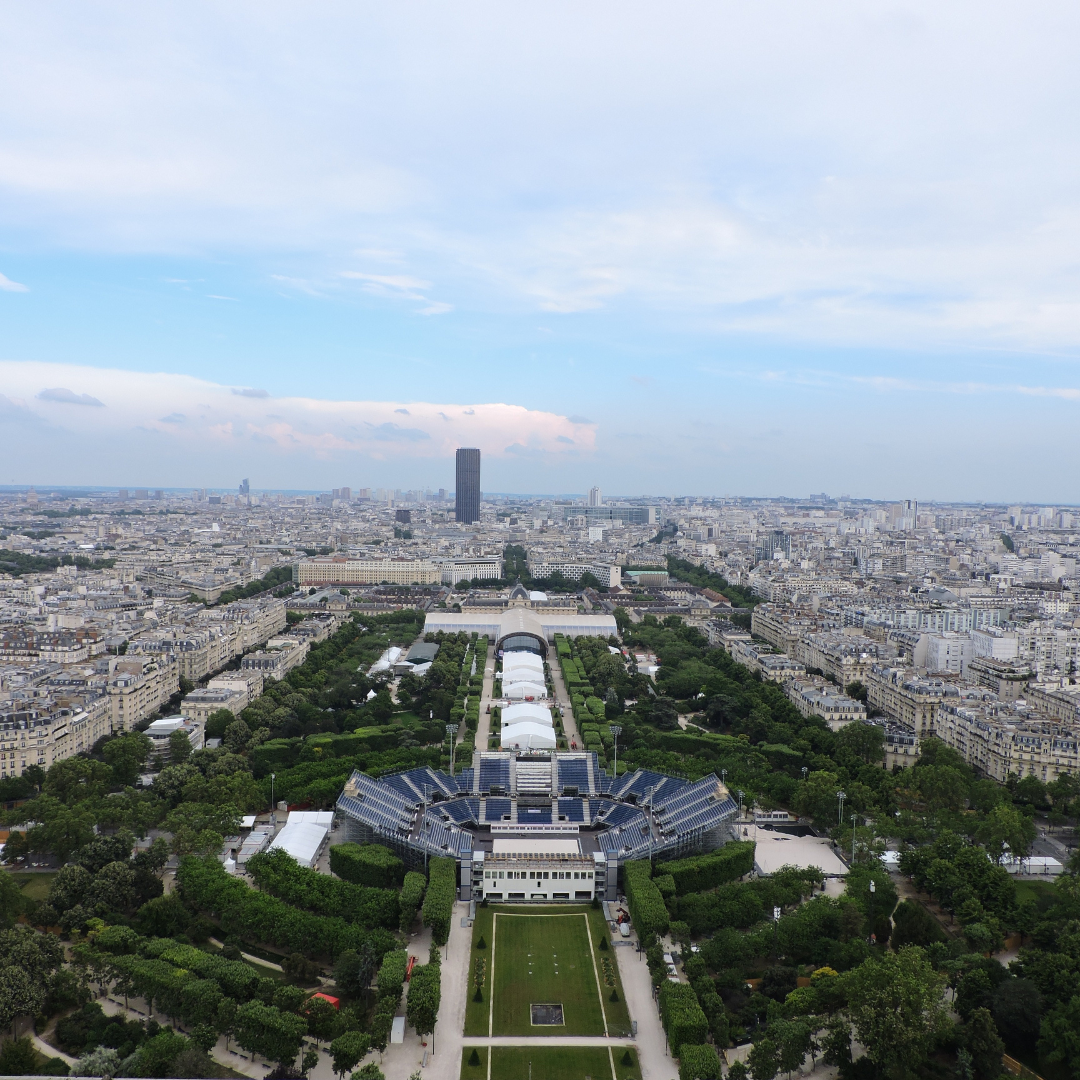
Every evening as I retired to my hotel room, I asked myself if I made a mistake staying back in India. However, the memory of destroying a plate of Chicken Biryani quickly reminded me of what my immigrant friends kept complaining about. But as I strolled out the next morning, I couldn’t help but feel I was in another world. This couldn’t have been the same planet where my country exists. How can our realities be so different? Was colonialism so devastating? For how long will we pay for the failures of lost wars from centuries ago? Will I ever get to board a metro in Mumbai with my cycle without being sucker punched by the security at the gate?
Another lasting memory would be that of a tall French woman crossing the street and almost getting run over by a truck. Inches away from being hit by a metal monster, she looked up at the driver, abused him and pointed at the signal that had turned red. The driver had the exasperated face of a man who knew he was wrong. This scene is almost impossible to imagine in India. This incident had nothing to do with how rich France is or how poor India still is. It was purely about the rights of a pedestrian and the mutually agreed-upon significance of a zebra crossing. It’s called a system. A functioning one.
India can build Europe’s infrastructure brick for brick in fifteen years flat. What we may never be able to do in this century is imbibe their civic sense and implement a coherent system that simply put, works. I have been almost assaulted for NOT breaking a signal and letting an SUV go by in Navi Mumbai. I don’t even want to start with the rest of India which is decades behind in employing civic sense.
Other than cigarettes, which surprisingly litter the streets of most of the cities I visited, these countries are unfathomably clean. They have the money to maintain it. We simply don’t. Our cities aren’t livable because they are employment zones first and living areas second. That is not the case in Europe which is notorious for prioritizing living conditions over everything else. For our cities to improve, our nation must decide to convert more villages into towns and towns in cities and cities into metropolises. That’s going to take decades though.
And that’s when I realised, our children will be able to enjoy India’s developed version in their youth. We will see it post-retirement, if at all. We are doomed to suffer tax terrorism while travelling on pathetic roads and breathing the foul air that engulfs our cities. The other day, it took me 60 minutes to reach a theatre that was 15 minutes away. Despite the non-stop construction of bridges and constant fixing of roads, our cities still punish us for daring to venture out. I hate living in such conditions.
Thrive as a prisoner in gated colonies with frequent soirees with friends or live a peaceful life in a major western city while earning in a superior currency. Those are the only two choices. India is on fraud-watch for me. In the next four years, if my love for friends and family is superseded by my hatred for Mumbai’s living conditions, I will work with all my might to leave for foreign shores. I will contribute to the nation’s growth story with my remittances and real estate investments.
I will cook biryani at home. I will cycle to my office. I will drink public fountain water every day while missing my brethren. But I will leave knowing fully well, I gave it my absolute all trying to make it work in India.
 Pol Ke Bol!